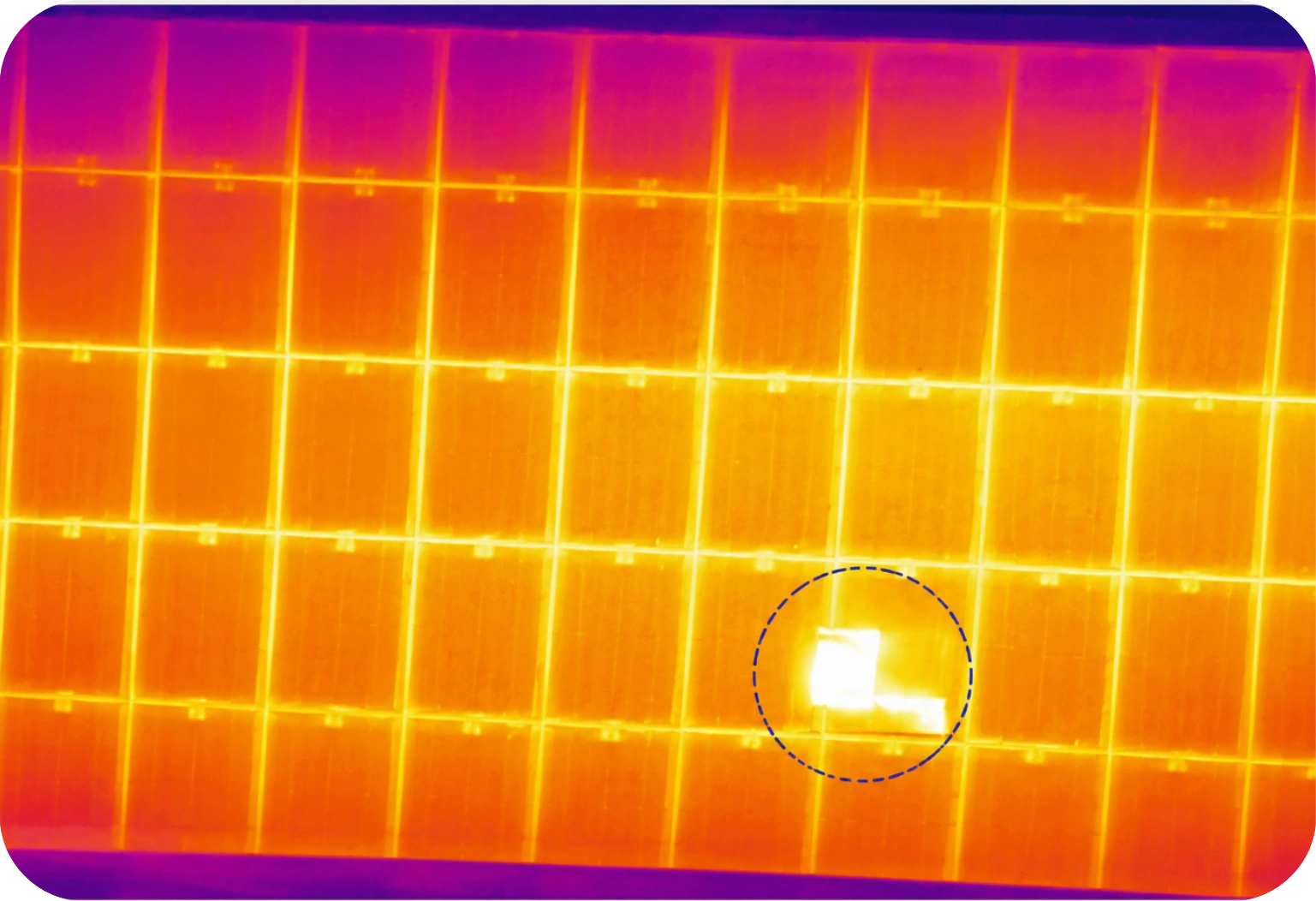
Solar Drone Inspection Equipment

Solar Drone Inspection Solutions

Solar drone inspection solutions help improve inspection efficiency with thermal imaging drones, aerial imaging systems, and intelligent defect detection technologies for solar power plants.
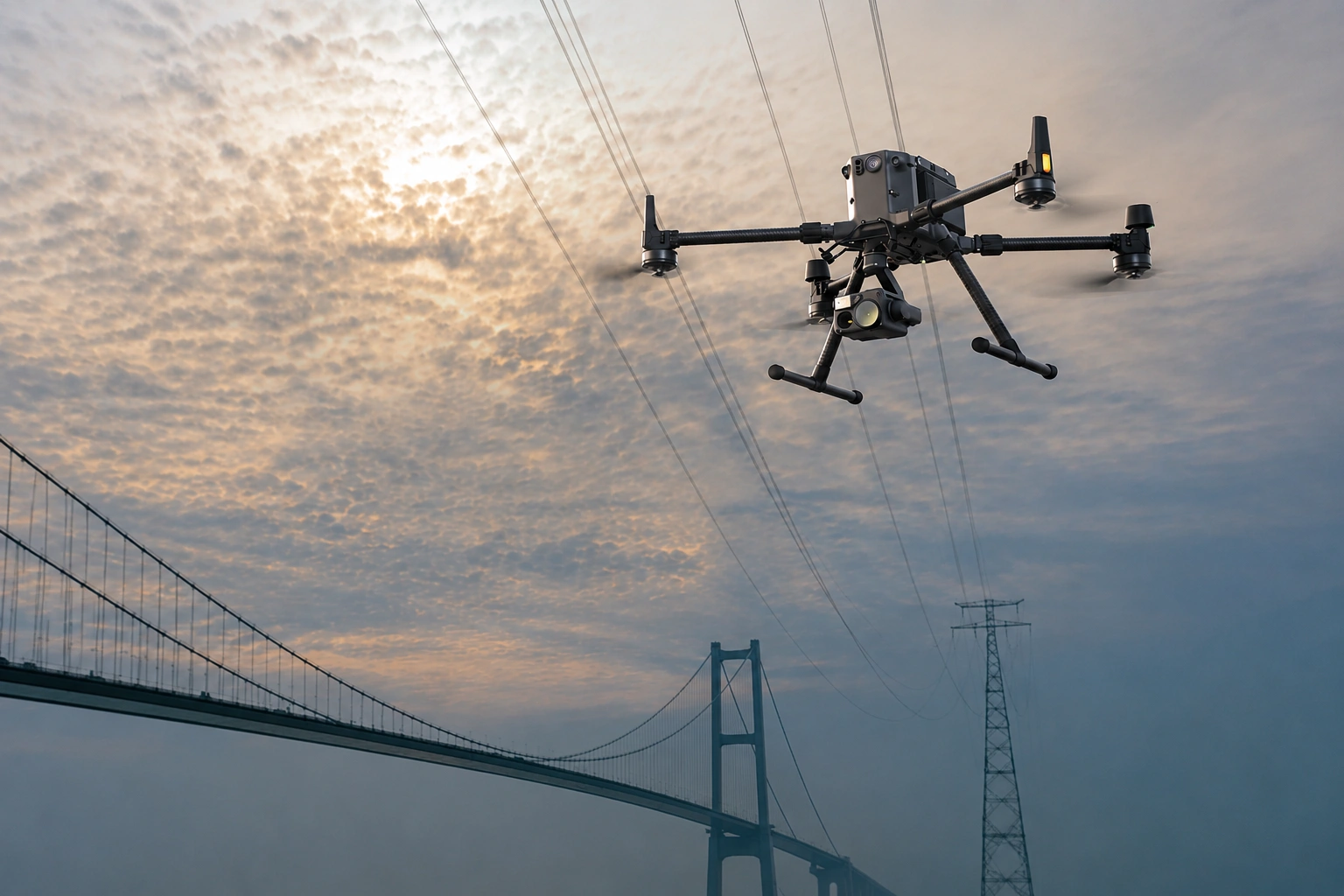
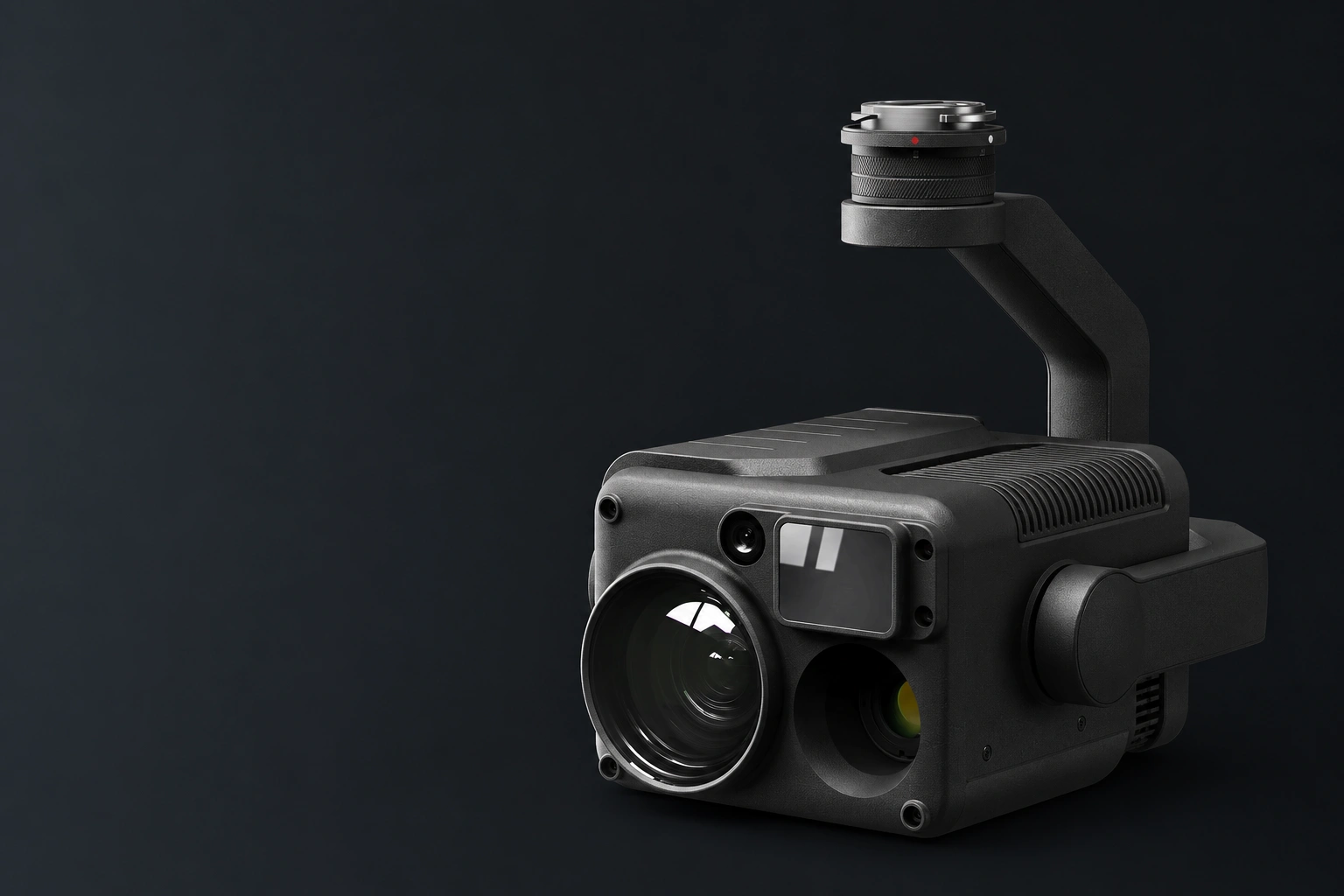
  • Thermal Hotspot Detection

  • Fast Large-Scale Inspection

  • High-Resolution Aerial Imaging

  • Intelligent Defect Analysis

Drone Inspection Equipment
Camera lense
testing results

Drone Inspection Solutions

Thermal, EL, and Hybrid Drone Systems for Comprehensive PV Inspection
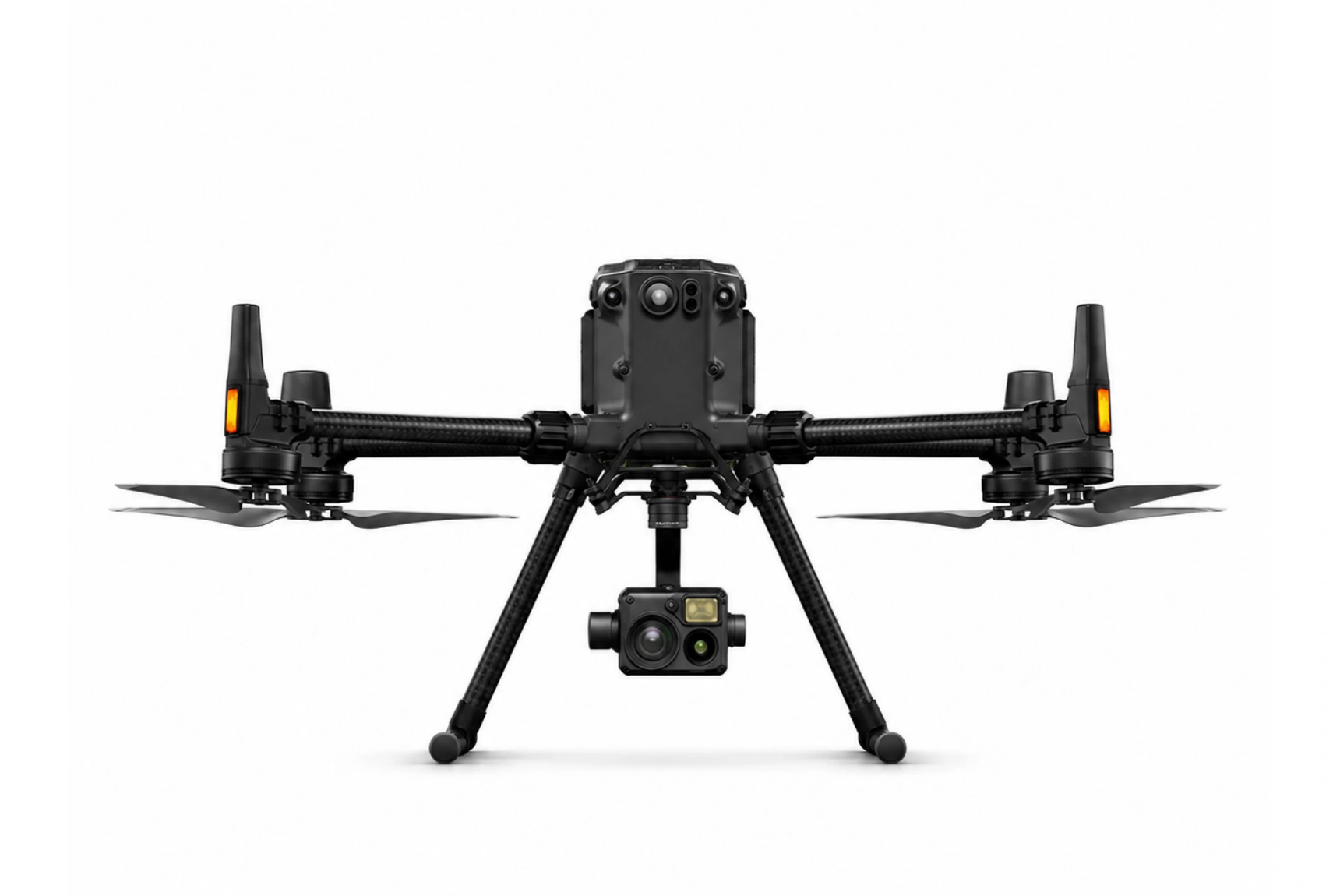
Thermal Inspection Drone

Thermal Inspection Drone

Detect PV Hotspots and Temperature Anomalies
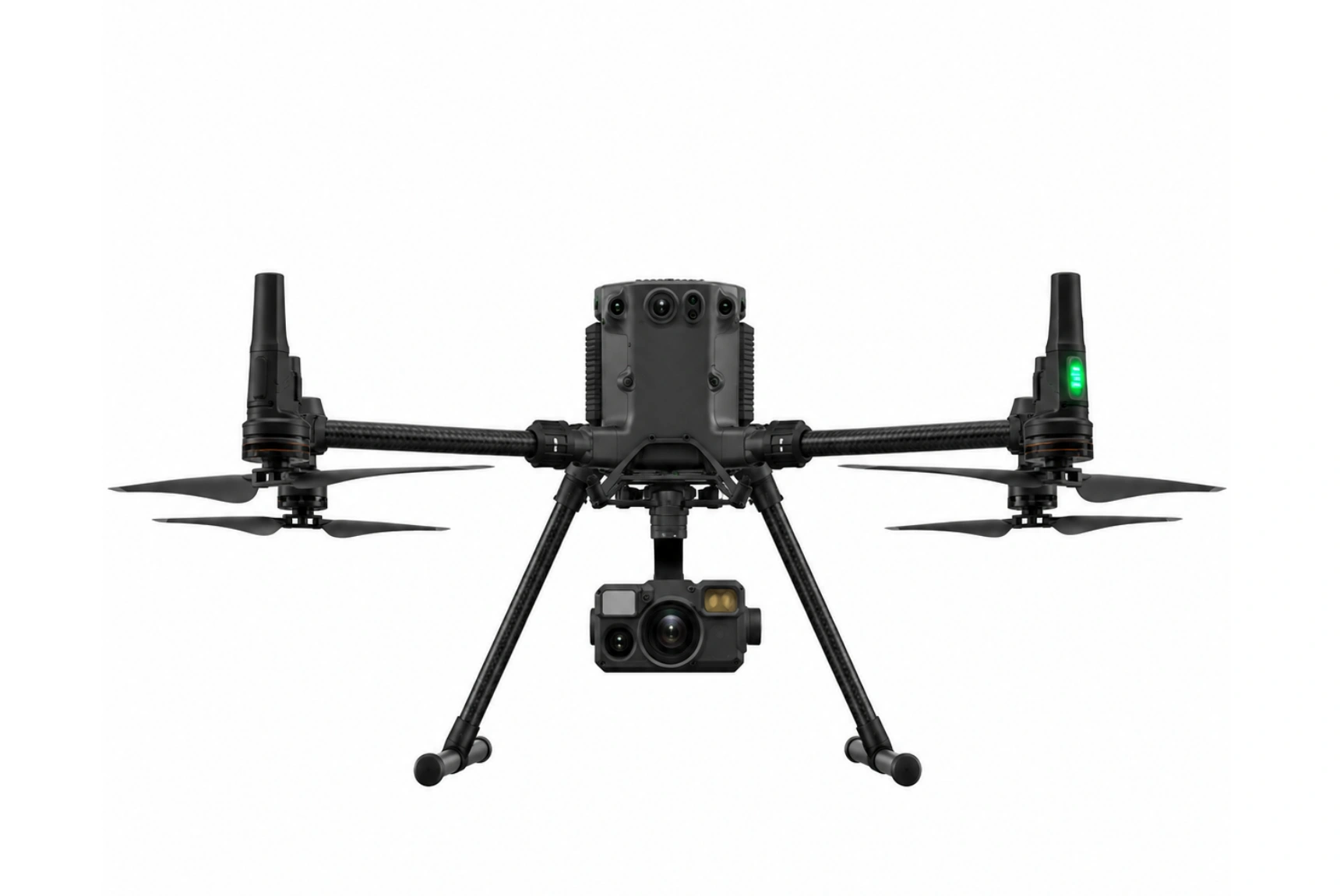
EL Inspection Drone

EL Inspection Drone

Capture Electroluminescence Defects in Solar Modules
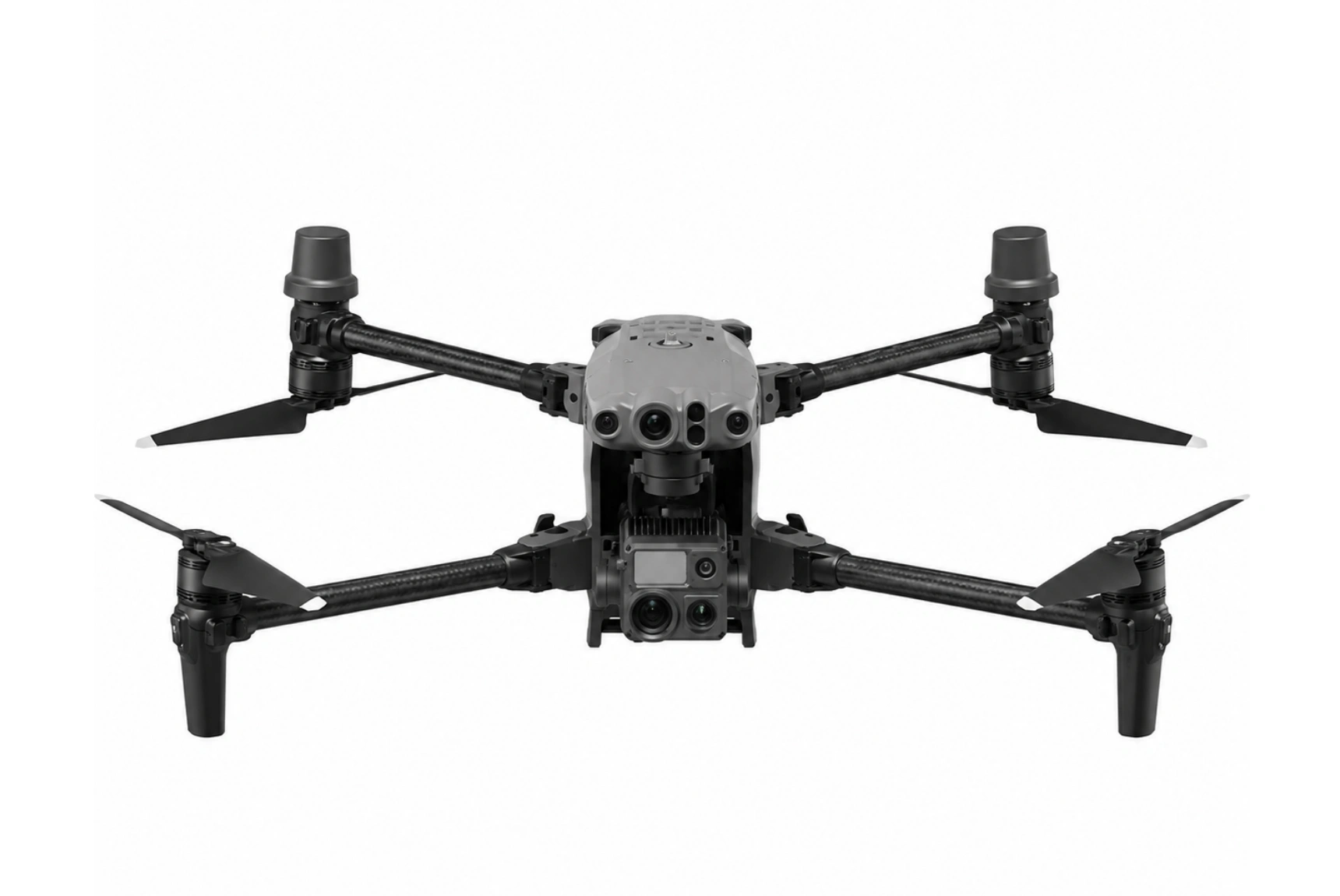
Dual Thermal & EL Drone

Integrated PV Inspection Drone

Integrated Thermal and EL Inspection Solution
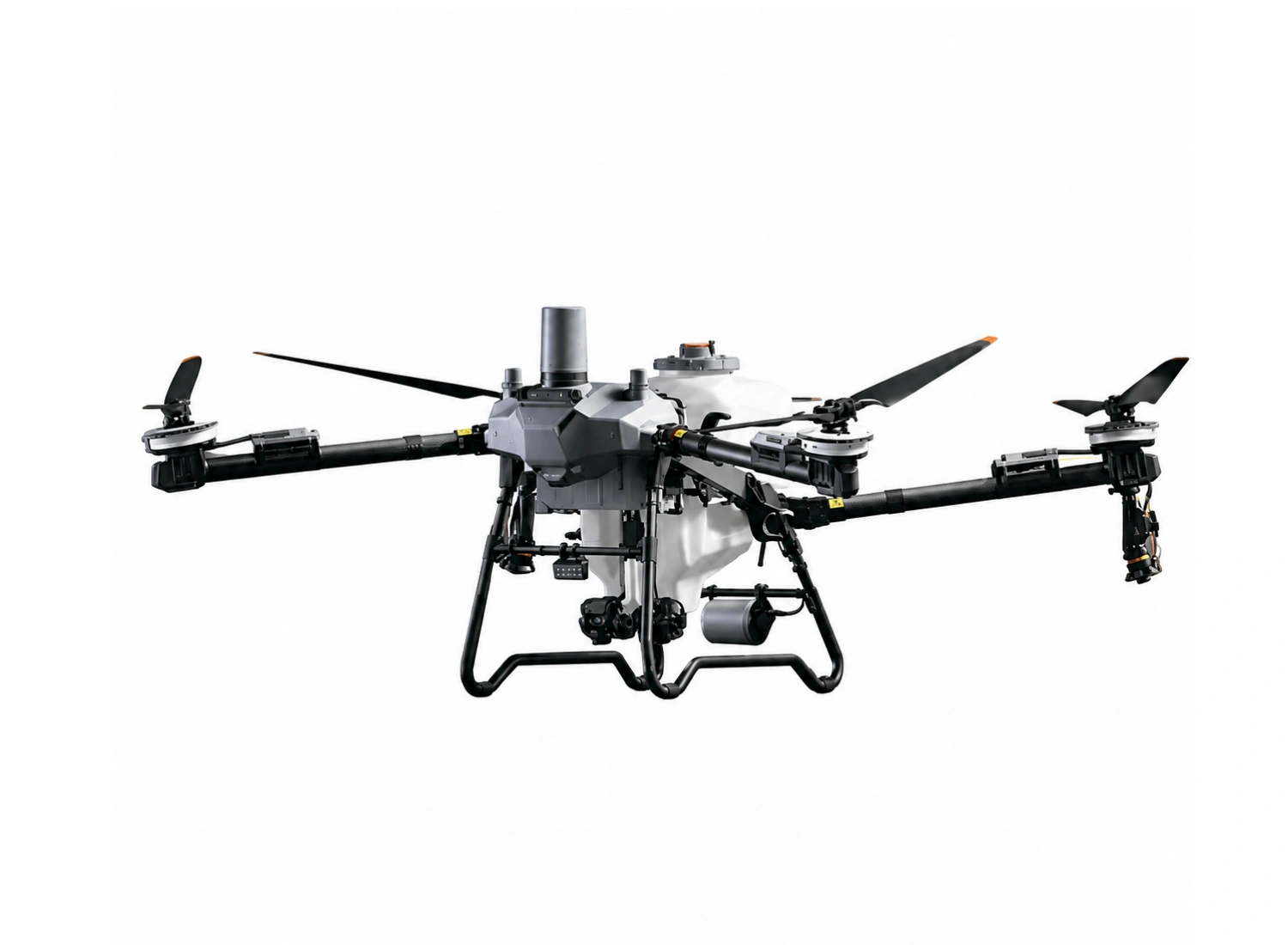
Cleaning Drone

PV Cleaning Drone

Solar Cleaning Drone for Utility-Scale PV Plants

DRONE INSPECTION CAPABILITIES

  • Thermal Hotspot Detection

  • EL Defect Inspection

  • Large-Scale PV Plant Survey

  • High-Resolution Aerial Imaging

  • Automated Defect Recognition

TYPICAL INSPECTION WORKFLOW

  • Mission Planning

  • Autonomous Flight

  • Thermal / EL Data Capture

  • Defect Analysis

  • Inspection Report Generation

SUPPORT & INFORMATION

Frequently Asked Questions

Learn more about drone flight operations, thermal imaging performance, EL inspection capabilities, and solar farm applications.

Thermal inspection drones can identify a wide range of photovoltaic system issues, including hotspot formation, faulty bypass diodes, cell overheating, loose electrical connections, string mismatches, and abnormal temperature distribution across solar modules. Early detection helps reduce energy losses and prevent long-term damage.

Yes. Depending on the selected configuration, the system can support thermal imaging inspection, electroluminescence (EL) inspection, or a hybrid solution that combines both technologies. EL inspection enables the detection of hidden defects such as micro-cracks, cell fractures, and inactive cell regions that are not visible through conventional thermal imaging.

The inspection coverage depends on the drone model, flight altitude, camera resolution, and mission planning parameters. For utility-scale solar power plants, a single flight can efficiently inspect a large number of modules while maintaining high imaging accuracy and data quality.

Yes. The inspection system can be equipped with intelligent analysis software that automatically processes collected thermal and EL images. The software helps identify anomalies, classify defects, generate inspection reports, and improve overall inspection efficiency.

The system supports multiple imaging configurations, including high-resolution thermal cameras and visible-light cameras. Available specifications may vary depending on the selected drone platform and payload, allowing users to choose the most suitable solution for their inspection requirements.

Contact Us